



Featured 1
Populism strikes again


An Independent Newsweekly
Featured 1

So it is official now - the Bangladesh national team will not be travelling to India next month to play in cricket's marquee event, the ICC T20 World Cup. It is a stunning outcome of the steady, and sometimes not-so-steady deterioration in bilateral relations between Dhaka and New Delhi since the July Uprising of 2024, and one that even the most extreme forecasts of where things might end up since that rupture could not have foreseen.
To be sure, Bangladesh and India are not enemy states, and certainly not states at war, in the same sense that say, India and Pakistan are. Which is why as major cricketing nations, it has been worked into the ICC's scheduling parameters that when these two nations are part of a major multilateral tournament, some scheduling quirks will be accommodated. Even so, we saw the Pakistan national team competing in the 2023 World Cup, which was held in India, and playing all nine of their games there. The Pakistan Cricket Board took a very prominent stand on the side of Bangladesh during the negotiations over the last three weeks, even holding out the possibility at one stage of joining Bangladesh in a possible boycott. In the end though, it is only the Bangladeshi players who will be missing out, with associate member Scotland being lined up as a last minute replacement.
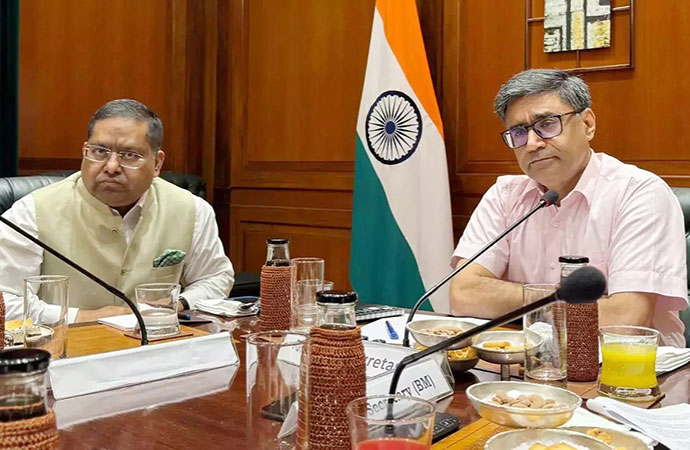
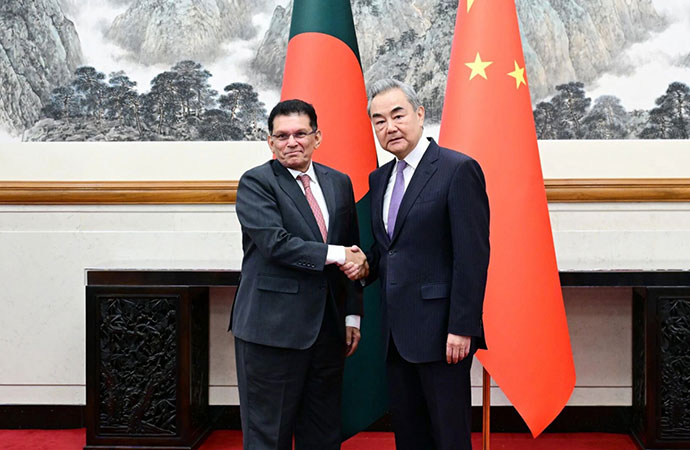
It didn't help matters that the entire episode took place in a general environment in which the bilateral ties appeared to be in a sudden freefall, something we noted in these very pages over the last couple of weeks. What frustrates us, is that the escalation ladder seemed to defy certain signals coming from the power centres in both countries. There was the visit of the Indian foreign minister to attend the state funeral of Begum Khaleda Zia, the BNP's chairperson and former prime minister. The visit and his courtesy call on the BNP's scion, Tarique Rahman, held the possibility of being the first steps towards a possible rapprochement between Delhi and the BNP, which has often been accused of being the flag-bearers of "anti-Indianism" in the political spectrum of Bangladesh, the polar opposite of the Awami League.
Just three days after Begum Zia's janaza though, news broke that the Kolkata Knightriders had been forced to drop Bangladeshi pace sensation Mustafizur Rahman from their squad for the Indian Premier League, on the directions of Indian cricket's governing body. The reaction in Bangladesh was immediate, and visceral. Law Adviser Asif Nazrul, discharging additional duties as adviser to the Sports Ministry in these closing weeks of the interim government, initiated the move to try and have Bangladesh's games in the World Cup moved out of India. Although there was no precedent for such venue changes being granted so late in the day, the adviser kept doubling down on this stance, and BCB president Aminul Islam Bulbul had no option but to follow suit. What has followed is a string of meetings with Bangladeshi officials sounding strangely confident that their request would be granted - even in the absence of any precedent for it.
Given the wave of anti-India sentiment currently sweeping through the country, Asif Nazrul's stance has proved to be fairly popular. But as is always the case with populist posturing, the long-term repercussions may yet play out differently.
A Independent Newsweekly
© Copyright 2026 | Designed by ARK Reepon & Developed by Cosmos Group Software Team




Leave a Comment
Recent Posts
Energy Security At Stake
For the last ten days, Bangladesh has been grappling with a severe gas ...
The strange disappearance of M ...
The Bangladeshi authorities should immediately comply with a July 12, ...
It’s important to address some irritations in Dhaka- ..
The government is set to import Liquefied Natural Ga ..
The US military struck dozens of targets in Iran
When Politicians Ignore Economic Expertise