



Featured 1
An early hiccup for the new government?


An Independent Newsweekly

Featured 1
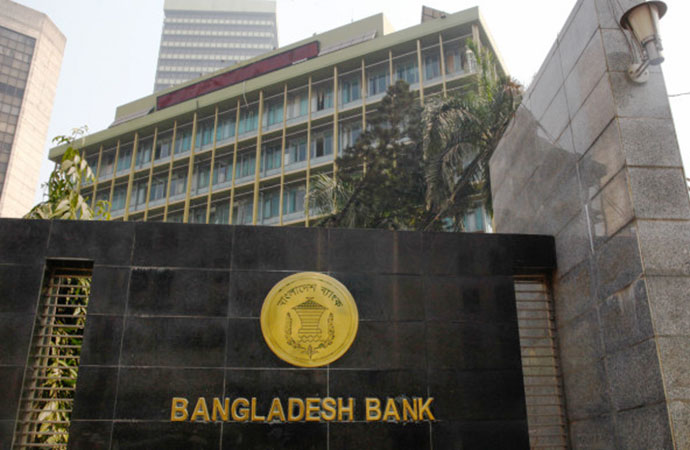
Image: Collected
The removal of the Bangladesh Bank governor has ignited concern and trepidation around the new government's commitment to much-needed reforms and cleaning up the financial sector. In the wake of the July Uprising in 2024, Dr Ahsan H. Mansur was appointed to get an economy that was careening off the rails back on track. He would have to work closely with Finance Adviser Dr Salehuddin Ahmed, but given the woeful as well as alarming state in which the previous regime left the banking sector, the post of Bangladesh Bank governor was particularly vital to managing the recovery operation for the entire economy.
He also took on a more traditional function of central bankers in the conventional sense that his predecessors had more or less abandoned: taming inflation. By choosing to use the main policy instrument at his disposal, interest rates, to try and curb runaway prices - the inflation rate had crossed into double digits by the time he took over - Dr Mansur was returning a dose of orthodoxy to economic management that had gone largely missing in the latter half of the Awami League's 15-year stint in power. That's also when we witnessed the advent of some truly wacky innovations, such as three official exchange rates for the currency, which at the time was fast losing ground against the dollar. A vocal critic of such voodoo economics, Dr Mansur made it a priority to unify the exchange rate by doing away with the cartel of banks and money exchanges that had taken over exchange rate policymaking in the guise of 'the market' under the previous government.
The clean up in the banking sector presented a more complicated challenge for the seasoned economist and former IMF man. By his own estimation, Bangladesh had witnessed the largest looting of funds from the banking sector in the guise of loans and money laundering in the entire world, and chasing those funds to try and bring them back to the country took up a sizable portion of his time as governor. He did still make time to restructure a number of bank boards, promoting mergers among weak institutions, and setting up an asset recovery firm for distressed assets and curbing illicit financial outflows.
At the time of his quite unceremonious exit, there was still much on his plate that Dr Mansur wanted to achieve. His record on inflation proved to be mixed, since he didn't manage to bring it down to his target of 6%, that he had set for the end of the 2024-25 fiscal. Yet he leaves behind an economy with a much steadier outlook than when he took over, that the newly elected government can at least work with.
The profile of the man chosen to succeed him, Mustaqur Rahman, offers a more cautious perspective. Unlike any of his predecessors, he brings a background in business to the job, being the owner of an RMG exporter. Although trained as an accountant, it is his experience as a member of the powerful BGMEA that the government wants to tap into here, to try and bring the private sector on board as it negotiates what looks set to be uncertain times. If he can, it would go a long way towards addressing some of the present concerns over his appointment.
A Independent Newsweekly
© Copyright 2026 | Designed by ARK Reepon & Developed by Cosmos Group Software Team





Leave a Comment
Recent Posts
The right time for an apology
The publication of the posthumous memoirs of lawyer Abdur Razzaq, who ...
Human rights experts commissio ...
Human rights experts commissioned by the UN’s top human rights b ...
Teesta erosion leaves several hundred families homel ..
Housing Without Houses: The Hidden Cost of Banglades ..
The Election Commission will review the timeframe
The story behind the Arafat brothers' ‘Kolpona’