



Column
Beyond Symbolism: The Unfulfilled Agenda of Women Empowerment in Bangladesh

An Independent Newsweekly
Column

Freepik
Bangladesh is a country that is leading in South Asia in terms of women education and economic empowerment. The literacy level of females has increased to approximately 72 percent and gender equality in primary and secondary education is almost achieved. Women drive the economy- they constitute almost 60 percent of ready-made garment workforce that gives life to the $50+ billion export economy of the nation. According to the data provided by World Bank (202324), the female labour force participation in the country stands at 4244 percent, which ranks higher than India, Pakistan, and Sri Lanka.
But the image changes abruptly at the power level. During the recent national election, only 81 out of the almost 2,000 candidates, both men and women, were women, which is about 4 percent. Only seven of them won their seats in direct competition, the majority of them belonging to the political families. This is an indicator of token inclusion, as opposed to structural empowerment.
In India, about 21 percent of women are elected to seats, 20 percent in Pakistan, 23 percent in Indonesia, and more than 30 percent in Nepal. Women have been recorded to be in the highest positions in Bangladesh, although there is still no widespread representation. Visibility is yet to be collective authority.The skew is carried over to corporate governance. In the rest of the world, women constitute approximately a quarter of managers (ILO, 2023), although in Bangladesh, the proportion of senior corporate and board roles occupied by women is less than 15 percent. Most of them are in the education sector, healthcare, banking, and in civil service but they are still underrepresented in capital intensive and high growth sectors. The gap is aggravated by the motherhood penalty. Despite the 16 weeks of paid maternity leave, the lack of strong return-to-work programs and childcare facilities drive most of the bright women out of the careers in mid-career. In South Asia, women also have to carry more unpaid care work, and this slows progress. This is not a matter of capability- it is organization clash and national wastage.
Religion has been used frequently when it comes to empowerment. However, as experience in Muslim majority countries like Indonesia and Malaysia demonstrates, there is no conflict between faith and women leadership. It is not a matter of doctrine that is limited, but of social interpretation. The bottom line is that empowerment is a mindset issue, how institutions, communities and leadership will want to define participation and share opportunity. Unless Bangladesh is serious in taking the step beyond the framework of symbolic visibility into structural empowerment, the second phase of reform cannot be in a hurry.
To start with, Firstly, leadership should be developed at an early age. Girls should get more exposure to STEM disciplines, argumentative forums, entrepreneurial education, digital literacy, and competitive sports in schools and higher education. These are not additional activities; they are training fields of leadership. They develop trust, communication and capacity to make informed risk.
Second, women should be encouraged by the political parties, but not through family politics. The nomination processes ought to be open and there ought to be set targets of women candidates and effective grassroots mentoring. Lack of internal reform means that women will still be dependent on legacy and not merit when it comes to their representation.
Third, corporate governance should embrace quantifiable standards of diversity. Gender representation in the executive and board levels should be regularly reported by regulators and boards. Promotions systems and plans to succession of leaders should actively involve women. Increased diversity enhances governance, better risk management and innovation.
Fourth, the workplace reform has to shift to a broader maternity leave to a comprehensive retention approach. The key factors that can help in avoiding mid-career dropouts are structured return-to-work programs, flexible schedules, dependable childcare provisions and performance-linked incentives. Keeping talented women is not a charity act, but a calculated business move.
Fifth, domestic work which is not paid should be recognized as a structural standpoint. Balancing responsibilities at home can be done through public awareness campaigns, flexible work policies and family- supportive measures. The problem of professional equality is not going to be complete before this invisible burden is tackled.
Sixth, there should be specific economic policies that attract more women to some of the high growth and technology-oriented sectors. Through improved access to credit, venture capital, access to incubation, and special entrepreneurship grants, women leadership in the emerging industries can be accelerated. The empowerment should be carried over to the engines of the future growth. Historical imbalance might need to be redressed by the temporary supportive mechanisms, including executive mentorship networks, leadership fellowships, and sectoral incentives. They should however serve as steppingstones to merit-based inclusion as opposed to parallel systems.
The number of women is almost half of the population in the country. Any nation cannot hope to become an upper-middle-income nation by putting half of its intellectual and managerial resources in the backyard. Allowing women to have a bigger voice in decision-making is not a figurative modification, it is a fundamental economic measure. The institutional preparedness is now the actual question. Are political parties, corporate boards and public bodies ready to share power, accountability and influence equally?
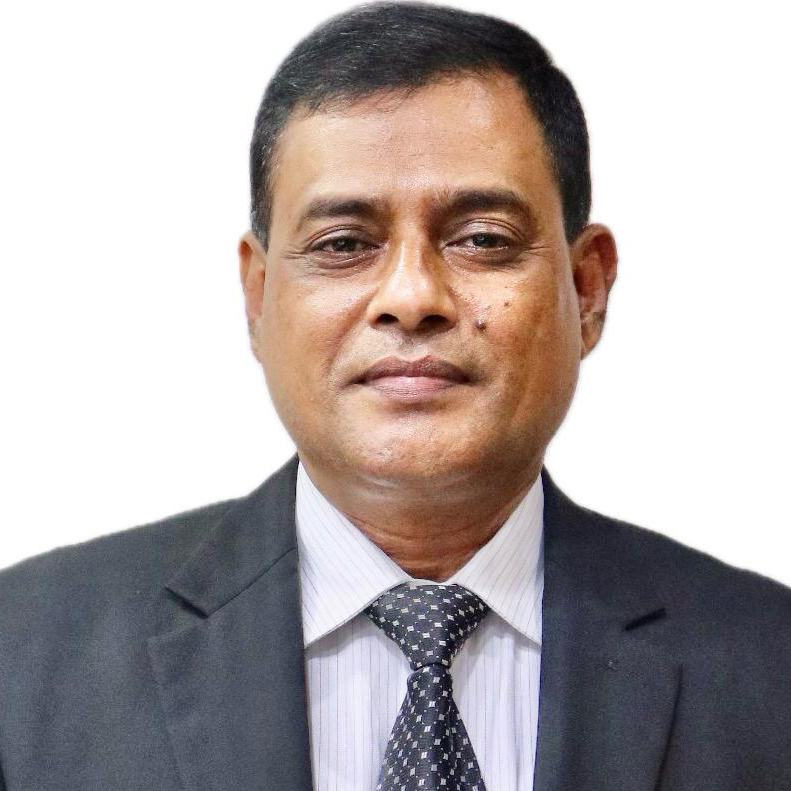
Major General (Rtd) Md. Nazrul Islam, Executive Member (Planning and Development) BEZA.
A Independent Newsweekly
© Copyright 2026 | Designed by ARK Reepon & Developed by Cosmos Group Software Team




Leave a Comment
Recent Posts
Dhaka, Tokyo relationship to c ...
Deputy Chief of Mission of the Embassy of Japan in Bangladesh Yoshida ...
Democracy puts a premium on et ...
And just like that, the deed was done. With a volley of 'Ayes!’( ...
Dhaka still eyeing ‘conducive’ setting for PM’s Delh ..
Gallery Cosmos Artist Residency, 2026
Summit seeks reinstatement of FSRU deal
Hatful of medals for Bangladeshi whiz kids at WMI 20 ..