



Featured 1
When push comes to shove


An Independent Newsweekly

Featured 1

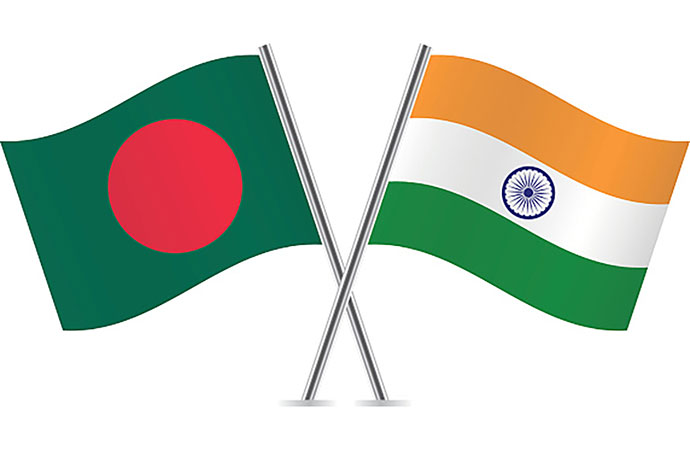
The border between India and Bangladesh, the world's 6th-longest, has been the scene of more than its fair share of tragedy over the years. Lamented by authors and filmmakers of erstwhile Bengal for partitioning a region united by language and culture, the advent of the Westphalian concept of the nation-state in the region, and the artificial drawing of these "shadow lines" has gnawed at the region's humanity. One of the most porous borders in the world, almost nothing has worked to prevent the movement of people across these lines that in many areas have not been demarcated for decades.
Particularly since the turn of the century, as the 20th gave way to the 21st, we saw the advent of "border killings" - almost exclusively of Bangladeshi victims at the hands of BSF soldiers described as 'trigger-happy' by Human Rights Watch as far back as 2009. Although down significantly from their peak, by no means can they be said to be a thing of the past. Indeed, even at the lowering levels, the India-Bangladesh border remains the world's bloodiest, simply because no other border force in the world adopts such a disdainful view of a neighbouring nation. Today though, is all about the relatively new phenomenon of 'push-ins' - the controversial, unilateral practice of forcibly expelling allegedly undocumented immigrants, who may even be undocumented nationals, across a national border.
According to BGB headquarters data, over an 8-month period from May 2025 to last January, the BSF pushed some 2,479 people into Bangladesh. Among them, at least 120 were found to be Indian nationals, which just goes to show that whatever method or process India is using to guide the process has gone wrong. It also justifies the firm stance Bangladesh has taken now, to not accept these unlawful transfers without proper documents or verification.
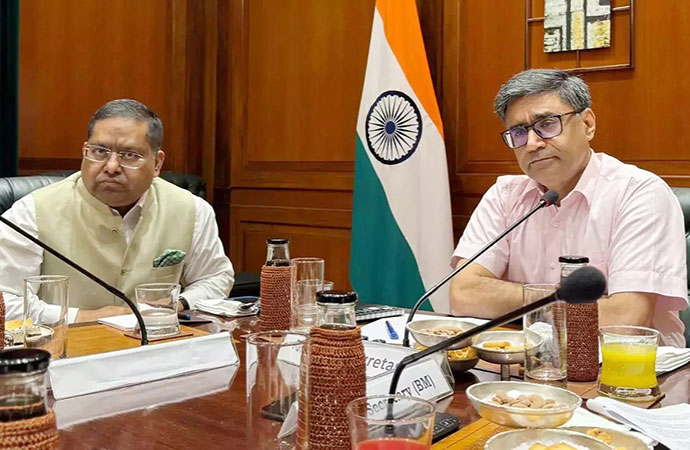
At this week's 57th Director General-level Conference between the two border forces in Delhi, the BGB strongly articulated why 'push-ins' are illegal, arguing that such actions violate human rights and humanitarian procedures, besides falling outside the purview of international law. The conference took place against the tense background of multiple standoffs between BGB and BSF along different parts of the border all week, that ultimately succeeded in resisting each push-in attempt, till BSF members were forced to take back the people they had brought and positioned along the sensitive part of the border.
BGB sources roundly dismissed the wild proclamations of the newly elected, hardline Hindu nationalist chief minister of West Bengal, Suvendu Adhikari, who claimed to have sent back some 4800 Bangladeshis back home already, in hardly a month in office. We can tell though, that demagogues are often more obliged to play to their domestic audiences, even on matters of international import. As much as the other side may try to insist otherwise, Bangladesh must also make clear at every opportunity that it is committed to bringing back its citizens from any country, including India, once their citizenship is verified. All that is being asked for is that it is done through proper legal channels, respecting human rights and international humanitarian standards.
A Independent Newsweekly
© Copyright 2026 | Designed by ARK Reepon & Developed by Cosmos Group Software Team




Leave a Comment
Recent Posts
An important visit awaits
Sergio Gor, the US Special Envoy for South and Central Asia, is set to ...
Building Young Environmental L ...
Waste is one of the fastest-growing environmental challenges facing Ba ...
WildTeam, Friendship launch community healthcare ini ..
Thousands of young protesters were camped on the str ..
President Mohammed Shahabuddin may resign shortly ci ..
Can We Roar as Loudly for Bangladesh as We Do for Fo ..