



Featured 1
Towards a new compact between stakeholders in RMG


An Independent Newsweekly

Featured 1
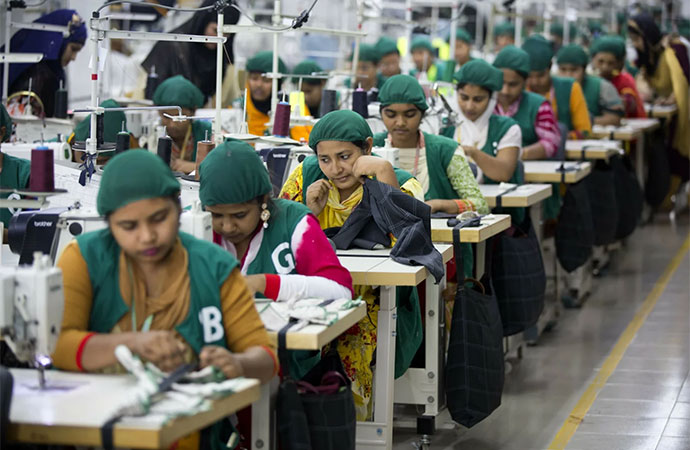
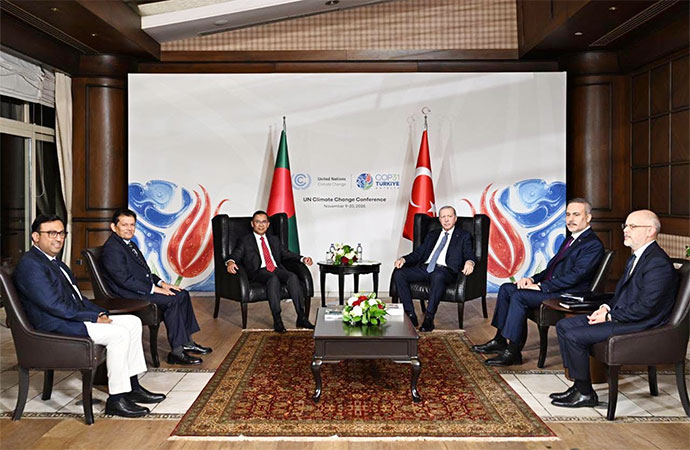
Photo: AP/UNB
The continued unrest in the garments sector, even as negotiations for a new wage structure are officially underway with the formation of a new Minimum Wages Board, points to deeper issues in the country's most lucrative industry. It reflects the persistent gap between workers' earnings and the cost of living, as well as a lack of confidence that negotiations between employers, workers and the government will produce meaningful and timely improvements.
The garment industry has been central to Bangladesh's economic transformation, providing employment to millions, particularly women, and generating the bulk of the country's export earnings. Its contribution to the national economy is undeniable. Yet the industry's success cannot be measured exclusively in terms of export receipts, factory output and international market share. The welfare, security and dignity of the people whose labour sustains this success must also be part of the equation.
This gap between workers' expectations and employers' willingness to pay must be addressed through serious negotiations rather than confrontation. The workers' demand for a minimum wage of Tk 32,000 per month may appear steep from the perspective of factory owners, but the current Tk 12,500 is certainly too low, when viewed against the rising costs of food, accommodation, healthcare, transport and education. The government's test will be to judiciously mediate a settlement somewhere between those two numbers.
At the same time, violence, vandalism, arson and the indiscriminate disruption of factory operations cannot be condoned. Prolonged disruption threatens export commitments, damages the country's reputation among international buyers and risks diverting orders to competing manufacturing destinations. Equally, the use of excessive force against protesting workers, or the threat of punitive measures without addressing their grievances, will only deepen resentment. Law enforcement must maintain order while respecting workers' rights to peaceful assembly and collective bargaining.
There is also a larger question concerning the distribution of benefits within the garment industry. International brands and retailers, which enjoy the advantages of sourcing from Bangladesh, cannot remain detached from the wage question. Their relentless pressure on suppliers to deliver garments at increasingly competitive prices contributes to the financial constraints facing manufacturers. If Bangladesh is expected to maintain its position in the global apparel market while improving labour standards, international buyers must be prepared to share some of the cost of that transition through fairer purchasing practices and better prices.
The government, meanwhile, has a responsibility beyond convening the wage board. It must ensure that the negotiations are transparent, credible and completed within the announced timeframe.
Ultimately, Bangladesh cannot aspire to graduate into a more sophisticated and competitive manufacturing economy while relying on a workforce that struggles to meet its most basic needs.
The present unrest should therefore be treated as an opportunity to reset the relationship between workers, employers and the state. A wage agreement that is negotiated fairly, implemented effectively and supported by a more sustainable business model could help restore confidence across the industry.
Bangladesh's garment sector has earned its place in the global economy through the labour and resilience of millions of workers. It is time that their contribution was reflected more fairly in the rewards of the industry.
A Independent Newsweekly
© Copyright 2026 | Designed by ARK Reepon & Developed by Cosmos Group Software Team




Leave a Comment
Recent Posts
BNP on high alert to thwart AL ...
What the month of December holds has been a major topic of discussion ...
Towards a new compact between ...
The continued unrest in the garments sector, even as negotiations for ...
Doa mahfil held for UNB’s Bogura correspondent
Hasina’s extradition: India says travel documents re ..
India desires positive relationship with Bangladesh, ..
US Ambassador meets Indian High Commissioner Trivedi